Choosing music lessons should be easier than choosing a streaming plan. It isn’t. Every studio says “fun,” “passionate” and “all ages,” which narrows it down to everyone.
So here are five questions that actually separate the great from the merely available, whether the lessons are for you, your teen, or a seven-year-old who just discovered drums (and volume).

1. Will it still be fun after week three?
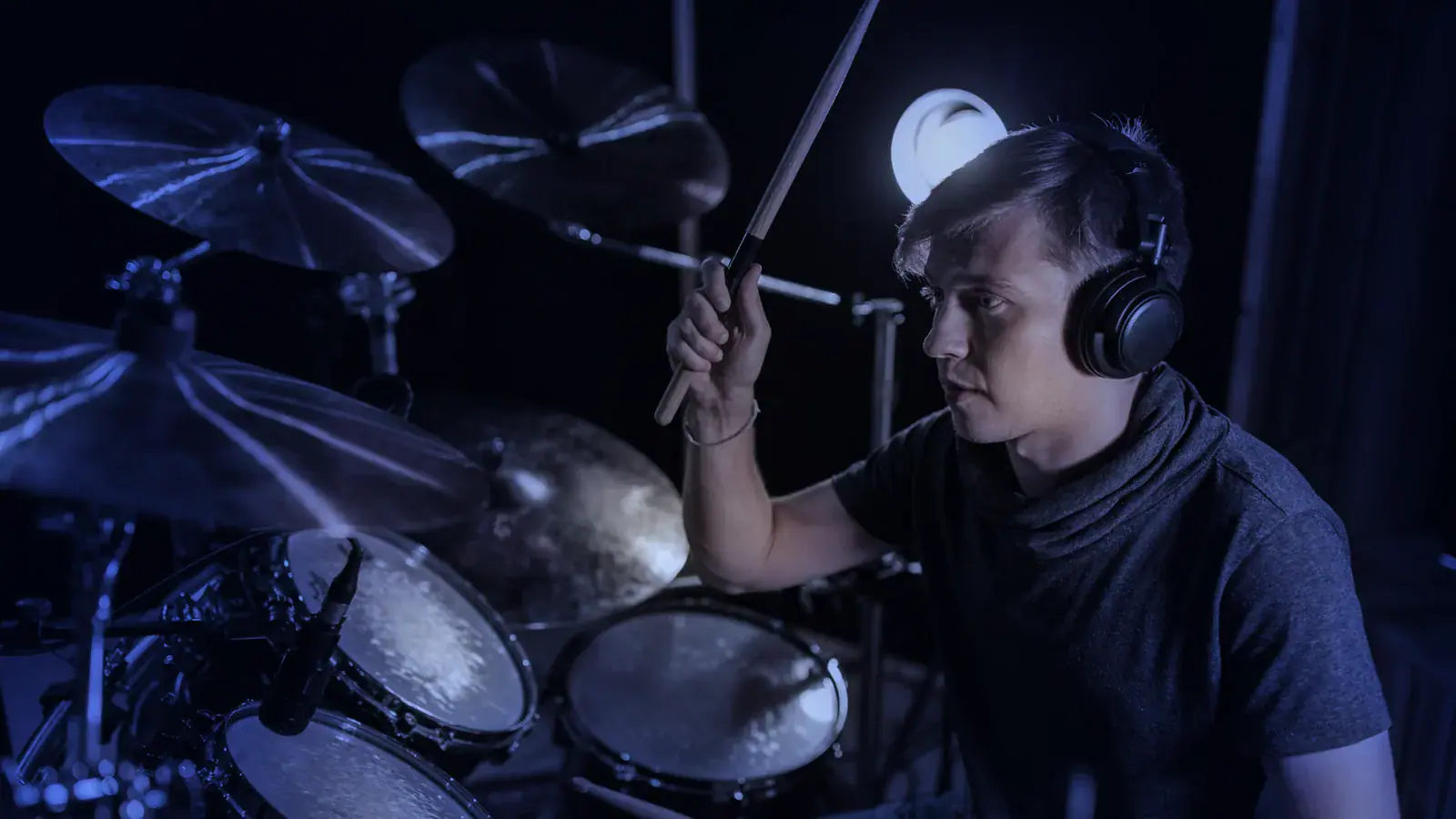
Novelty carries everyone for about three weeks. After that, a lesson needs two things: a real plan, and music the student actually wants to play. Ask how the Instructor balances skill-building with songs the student loves. If the answer is “we start with the book,” politely ask what happens after the book.
At CHMA: lessons are built around the music each student is into, and the skills ride along with it.
2. Do they teach the creative side, or just the notes?
Reading music is a skill. Writing a song, improvising a solo or recording your own track is a different, deeply satisfying skill. Ask whether songwriting, improv and recording are part of the plan, or an “advanced topic” that somehow never quite arrives.
At CHMA: the studios are equipped to record, so students can hear their progress, not just be told about it.
You want someone who can play it, explain it, and make you want to practice it. That’s a rare trio.
3. Who is the Instructor, really?
A music degree is nice. It is not a personality. Ask about the Instructor’s life as a working musician, how they explain things, and whether their students actually get better. Then watch how they talk to the student in the first five minutes. That tells you most of what you need to know.
At CHMA: a small group of working musicians who clear a high bar for both skill and teaching. Meet the Instructors →

4. What’s the room like?
Nobody does their best work in a converted closet. Ask to see where lessons happen. Is there room to move, gear that works, and a place for a parent to sit in if they’d like to? (Adult students: the good chair is yours.)
At CHMA: pro-equipped studio rooms, and parents are always welcome to sit in.
5. Do they use technology well, or just a lot?
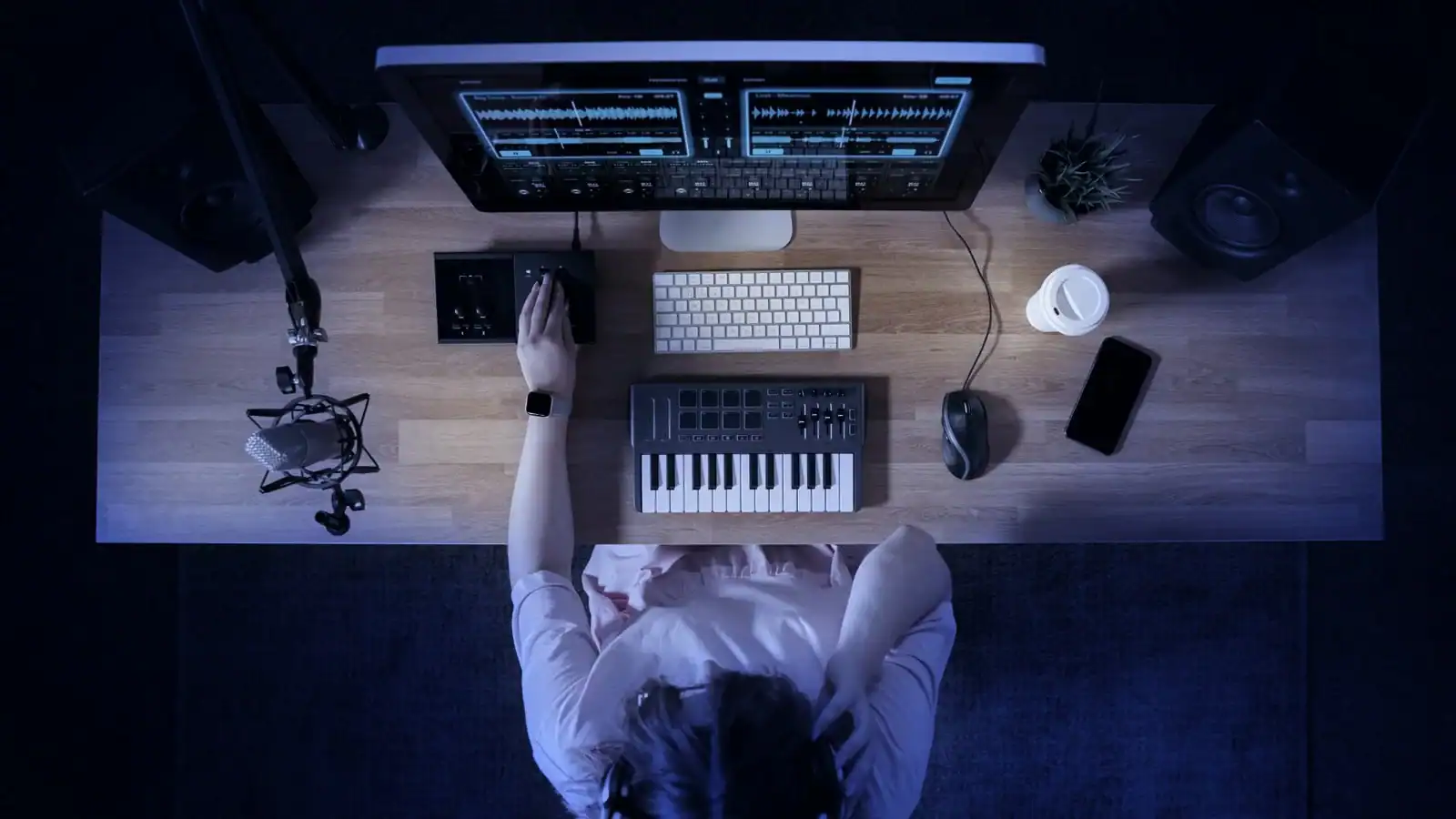
Technology should make practice better, not just make it beep. Ask how students hear their own progress, what they practice with at home, and whether any of it is built around the student or just bolted on.
At CHMA: recording-ready studios, and in Premier programs like Piano Rebellion, a personal practice dashboard and custom training apps.
Bring these to any trial lesson
- Will this still be fun in month three?
- Where does the creative side come in?
- Who is the Instructor as a musician?
- Can I see the room?
- How will I hear my own progress?
The fastest way to answer all five is to try a lesson. Your first lesson at CHMA is free (one per family or individual), and you’ll know within 30 minutes whether it’s a fit. Worst case, you got a free music lesson. That’s not nothing.