From the Music Coach Magazine archive
Picking a music Instructor can feel like a blind date with a metronome. You won’t know everything after one lesson, but you can learn a lot if you know what to look for.
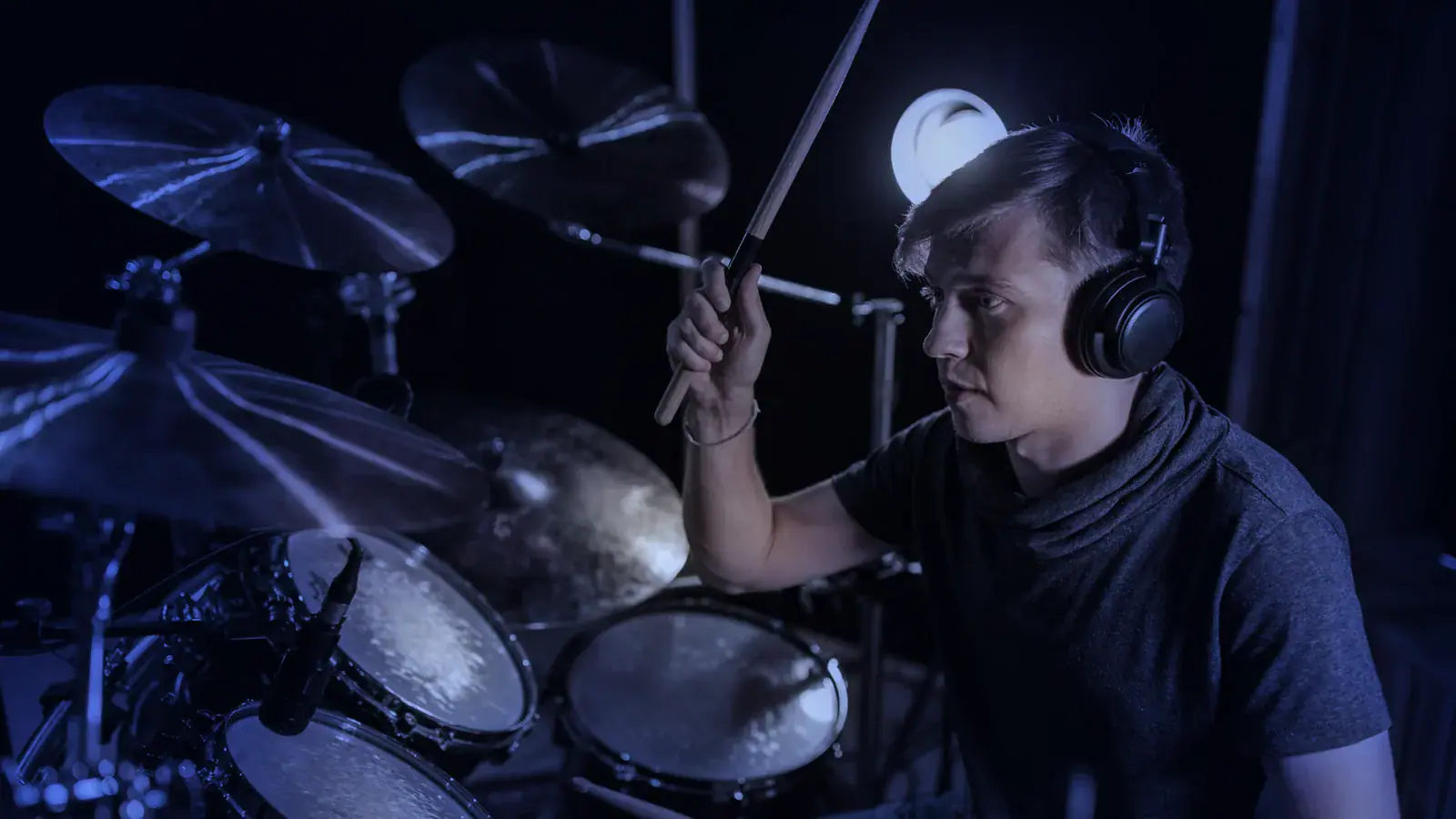
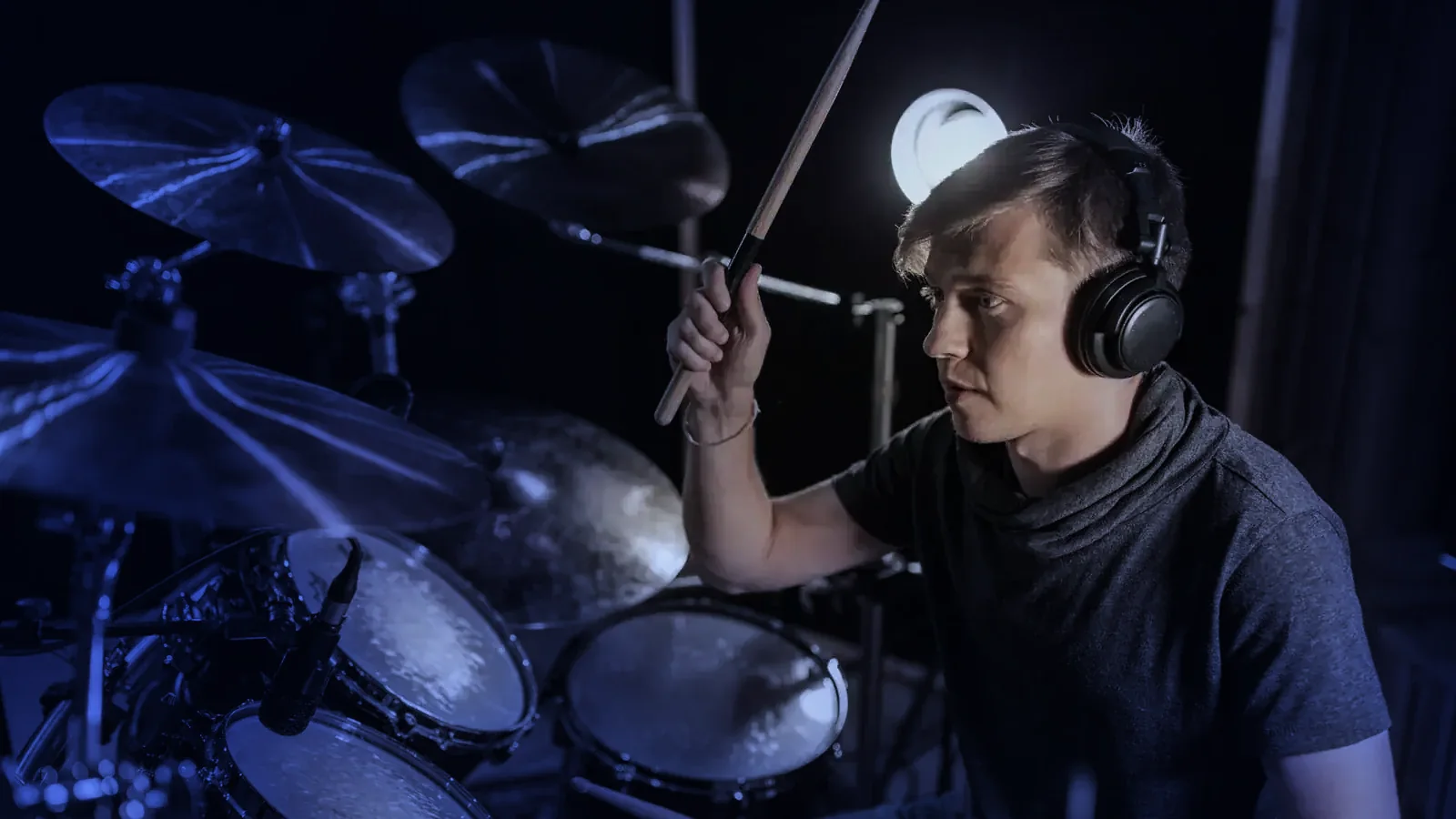
Back when Derek Berg published Music Coach Magazine, a magazine he ran for music coaches, the magazine ran a piece called What Makes a Good Music Coach? with drummer Mike Michalkow. Michalkow has played with artists including Lionel Richie and David Foster, wrote The Total Rock Drummer, and has taught for years. The article was written for teachers. Read from the other side of the drum kit, it’s a great checklist for students and parents.
They actually want to be there
Michalkow found out he loved teaching in his late teens, filling in for his own drum instructor. What hooked him wasn’t ego. “It just felt really good to see somebody’s eyes light up.”
He was candid that teaching shouldn’t be a fallback job: “When the student doesn’t want to be there and the teacher doesn’t want to be there, that’s not a very good mix.” Green flag: someone who clearly enjoys the work and lights up when you get something right.

They have a plan for you specifically
The biggest thing is you’ve got to have direction for each student.
Mike Michalkow
Michalkow warned against lessons that just march through a book, page one this week, page two next week. His verdict on that approach: “No, you can’t do that, because it’s predictable and it’s boring.” Books are useful (he owns more than 200 drum books), but the plan should be shaped around you.
They care what you’re listening to
A good Instructor connects the work to your life. Michalkow put it plainly: “Make sure they’re learning their favorite songs and getting better in the school band or in the garage band or getting ready for the talent show, whatever it is.”
That works for grown-ups too. Swap the talent show for a family sing-along, a worship band, or finally playing along with the record you’ve loved for twenty years.
They stay patient
Everyone gets busy. Sports, school, work, life. Michalkow knew that from experience; he was into skateboarding, dirt bikes, hockey and more as a kid. His rule for teachers was to keep their cool. “But you can’t get frustrated with them,” he said. “Think about yourself in those shoes.”
And this line is worth framing: “Just because we’re adults now, we don’t have the right to make someone feel like garbage.” Lessons should leave you encouraged, even on the weeks you didn’t practice.
They show up ready
Michalkow’s advice to teachers was blunt: “Have all your stuff ready.” He described himself as someone who likes to be over-prepared, to the point that he rehearses to rehearse.
He also shared what parents had told him about a previous drum teacher, who “was always canceling; he was always late; our half-hour lesson was 20 minutes long; he ate smelly hamburgers during the lesson.” We’re going to go ahead and call that a full list of red flags. Your lesson time is your time. Expect it to start on time and be about you.
A note for late starters
Here’s an encouraging detail from the article. Michalkow fell in love with drums at five, but he didn’t actually start taking drum lessons until he was 17. He still built a career out of it. If you think you’ve missed your window, you probably haven’t.
At CHMA: your first lesson is free (one per family or individual). Questions? Text us at 630-986-8742.
Green flags in a first lesson
- They seem glad to be there
- They ask about your goals and the music you love
- They have a plan, and it fits you
- They stay patient when something is hard
- They start on time, prepared, with no hamburger in sight
The best way to know if lessons are a fit is to take one. Your first lesson at CHMA is free (one per family or individual), so come see what a good one feels like.